Describe the symptom
Give the room, timing and weather conditions if known. Safe photographs can help explain the change.
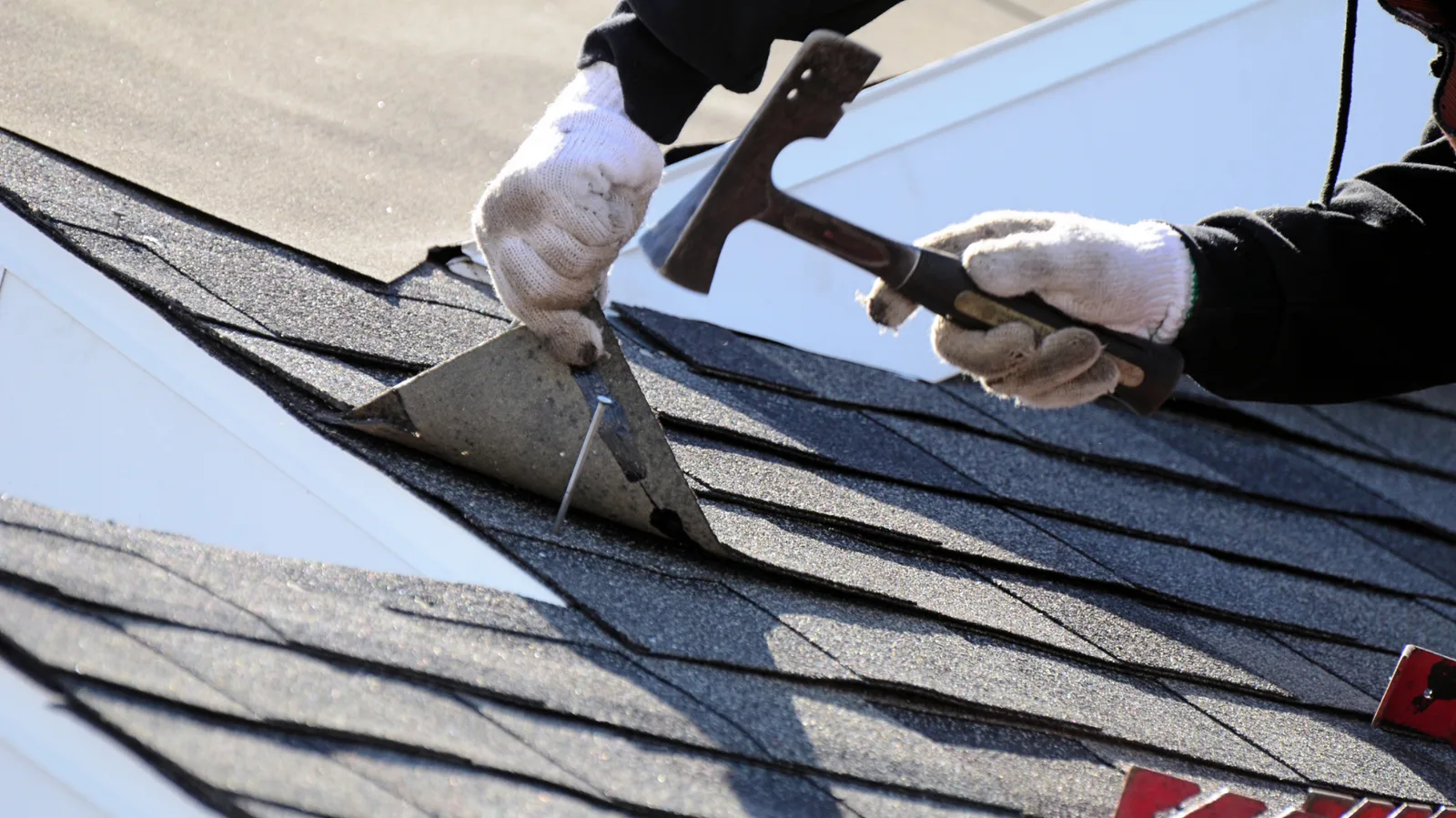
Sand Springs, OK
A stain shows where water arrived, not necessarily where it entered. Our roofers trace the source and explain the repair that addresses it.
Active water entry
Stay away from a bulging ceiling, wet electrical fixtures and damaged structure. If it is safe, move belongings from the drip and catch water in a container. Do not pierce a ceiling or climb onto the roof. Call emergency services if anyone is in immediate danger.
Describe active water entry when arranging help and confirm availability. A mark that returns after rain also deserves attention, even if it is dry when you call. Finding the entry path belongs to the roofer.
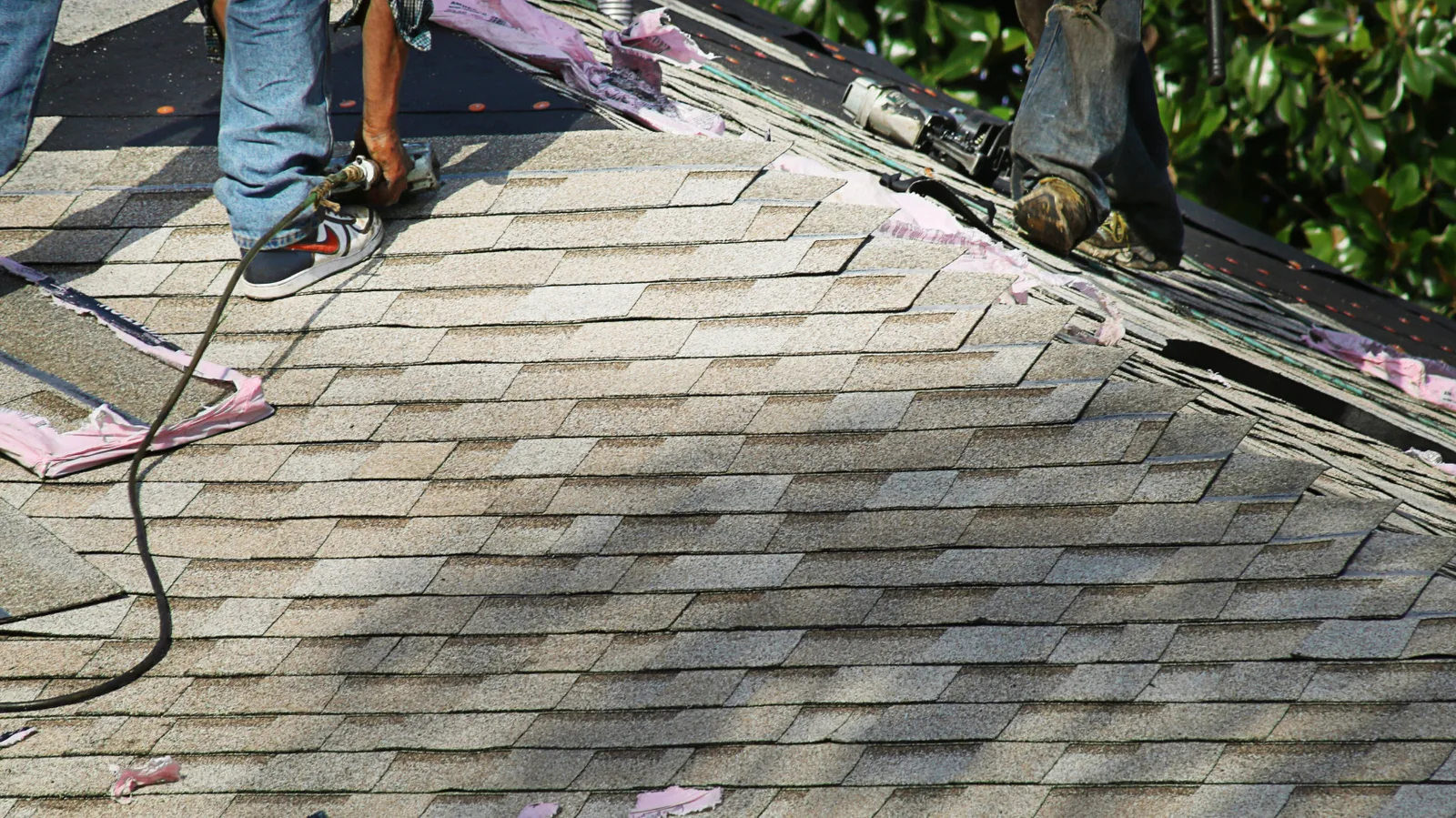
The repair needs to address the failed detail and any affected roof material. Interior restoration and drying may require separate work; establish what the proposal includes.
Trace the concern to the covering, flashing or another source before selecting the repair.
Repair or replace failed collars and flashing with compatible parts.
Restore the water-shedding connection appropriate to the roof and adjacent surface.
Replace or repair affected material according to its condition and product requirements.
Account for damaged sheathing revealed during the work and any permit requirement.
Reconnect the repair to sound material and explain limits to appearance or compatibility.
Identify drying, insulation, drywall or other restoration that sits outside the roofing scope.
From symptom to source
Some leaks can be identified at the first visit; intermittent or complex paths may need further investigation. The roofer should explain what is known and what still needs testing.
Give the room, timing and weather conditions if known. Safe photographs can help explain the change.
The roofer assesses the roof and relevant accessible interior areas.
Controlled testing or opening a detail may help where the source remains unclear. Agree on that work before it proceeds.
Fix the confirmed failure and restore the surrounding roof connection.
Understand the work completed, any further drying or interior needs and what to report if water returns.
These details help start the investigation. They do not diagnose a particular hole on their own.
The timing can help distinguish rain entry from another moisture source.
The roof-to-wall connection is one part to assess.
Roofing, duct condensation, plumbing and other causes may need to be distinguished. Keep clear of wet electrical equipment.
Prior work helps the roofer assess whether the original source was corrected.
Describe the timing without assuming every later leak came from that event.
If the concern involves broader damaged covering, see roof repair.
Three rungs
A simple failed detail and concealed damage beneath it can look similar indoors. The inspection establishes the likely scope; the proposal should explain how further damage would be handled.
Replacement budget contextA contained connection repair with sound surrounding material.
The repair also needs decking or adjacent covering work.
Several failures or unworkable covering make replacement worth comparing.
A leak returning after patching does not automatically mean the entire roof has failed. The original entry path may still be open, or more than one source may be involved. The next inspection should consider that history instead of repeating the same surface treatment.
Broader wear can still limit repairability. The roofer explains whether the problem is the repair detail, the surrounding material or both.
No. Keep clear of the area and arrange qualified help. A water-loaded ceiling can collapse, and water may be near electrical equipment. Move people away from the hazard rather than working beneath it.
Compare whether the repair can solve the source and connect to sound material. Repeated failure needs diagnosis, while widespread brittle or deteriorated covering can make replacement a better scope. There is no universal percentage that decides this.
Read the offered workmanship terms for the repaired area and any product coverage that applies. They do not automatically cover every part of the old roof. The warranty guide explains the distinction.
Sand Springs Roofing Co
Tell us where water appears and when it happens. Our roofers can investigate the roof and explain the repair needed.
(918) 215-8903